
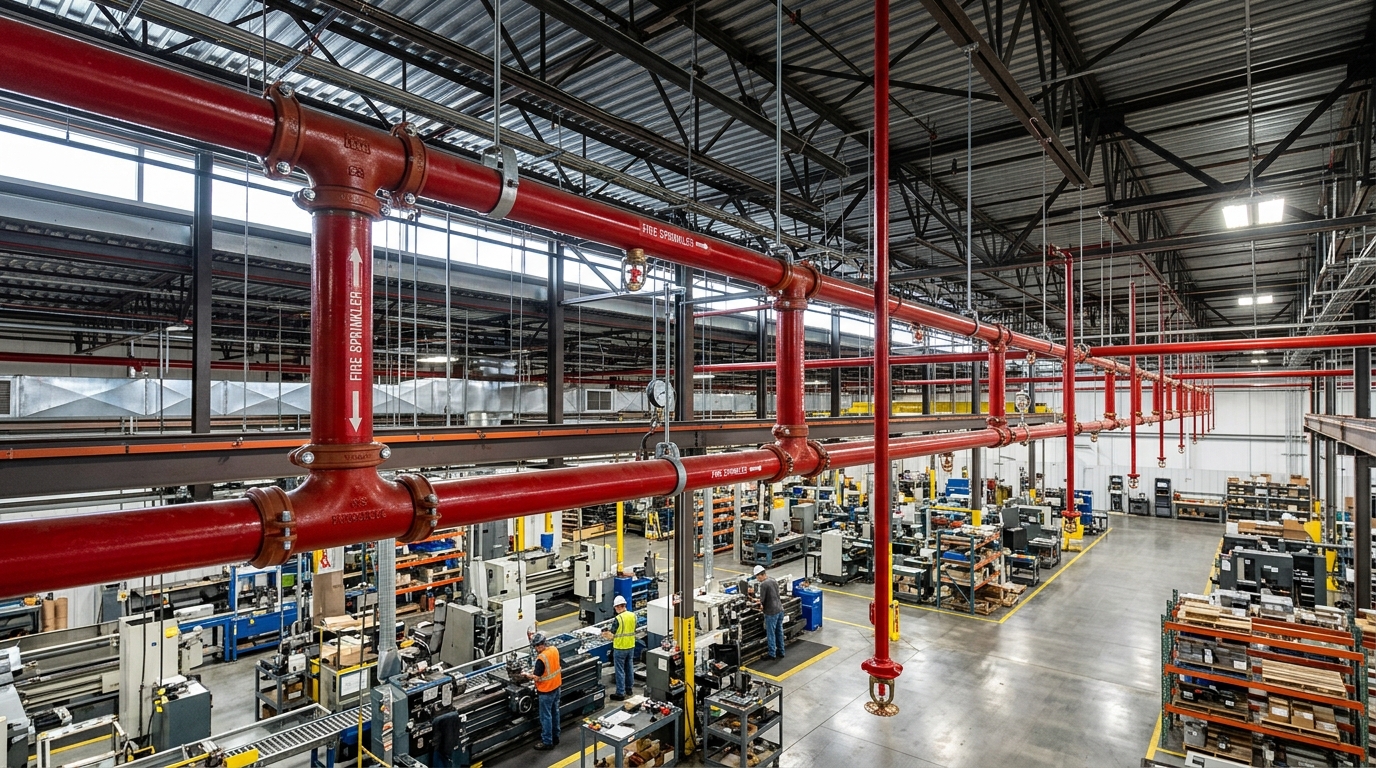
Combustible Dust Hazards in Manufacturing: Preventing Catastrophic Deflagrations
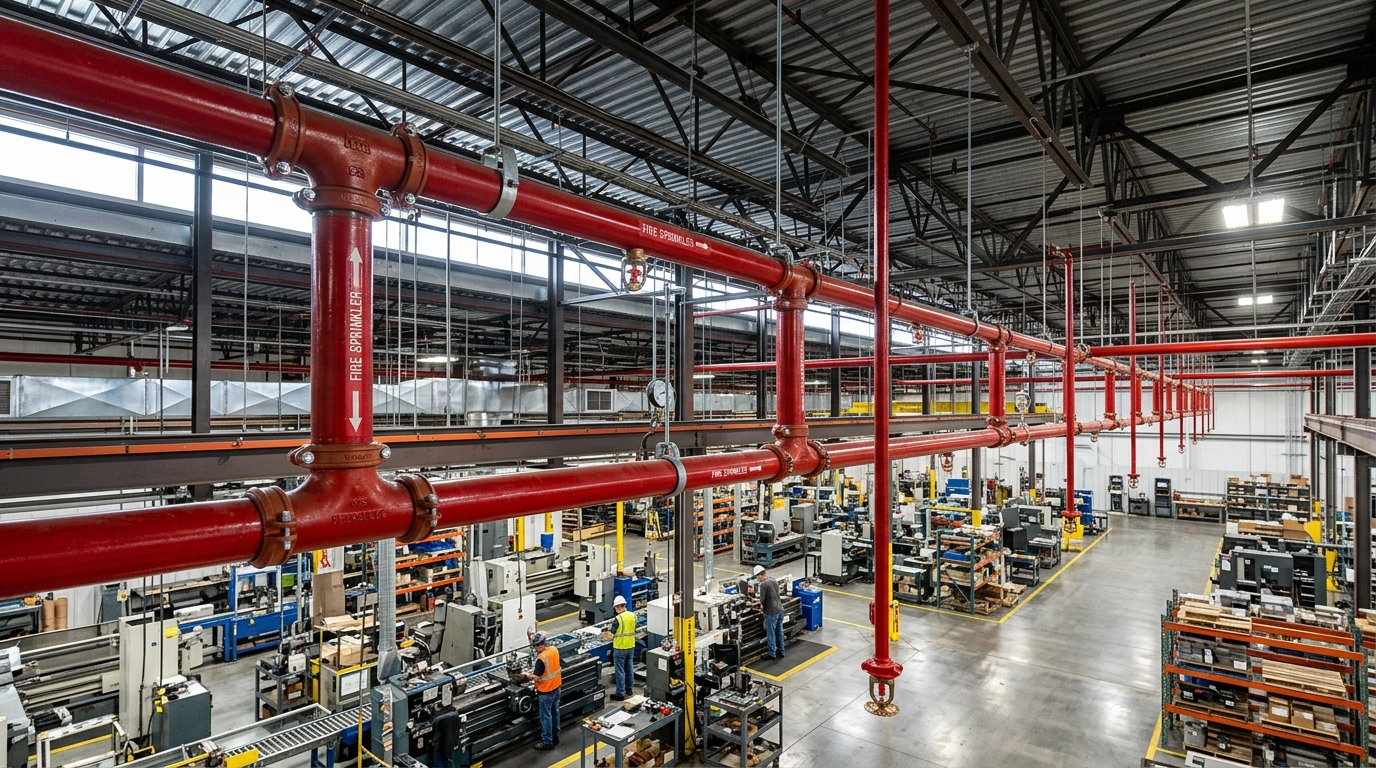
While most industrial plant managers are vigilant regarding flammable gas leaks and electrical sparks, fine combustible dust represents an insidious, often overlooked hazard. When suspended in a closed factory atmosphere in the right concentration, everyday materials like flour, sugar, aluminum powder, and plastic dust burn faster than dynamite.
The Dust Explosion Pentagon
Traditional fires require three elements: Fuel, Oxygen, and Heat. A dust explosion requires two additional factors: Dispersion of particles and Confinement of the dust cloud. The primary explosion inside a hopper or duct often shakes loose accumulated dust from ceiling rafters, triggering a devastating secondary explosion across the entire factory.
Engineered Explosion Venting & Spark Detection
Shraddha Services engineers implement explosion relief rupture panels, chemical isolation barriers, and ultra-fast optical infrared spark detection nozzles on dust collection ducts that quench embers before they reach collection cyclones.