

Lithium-Ion Battery Storage & EV Charging Station Fire Protection Standards
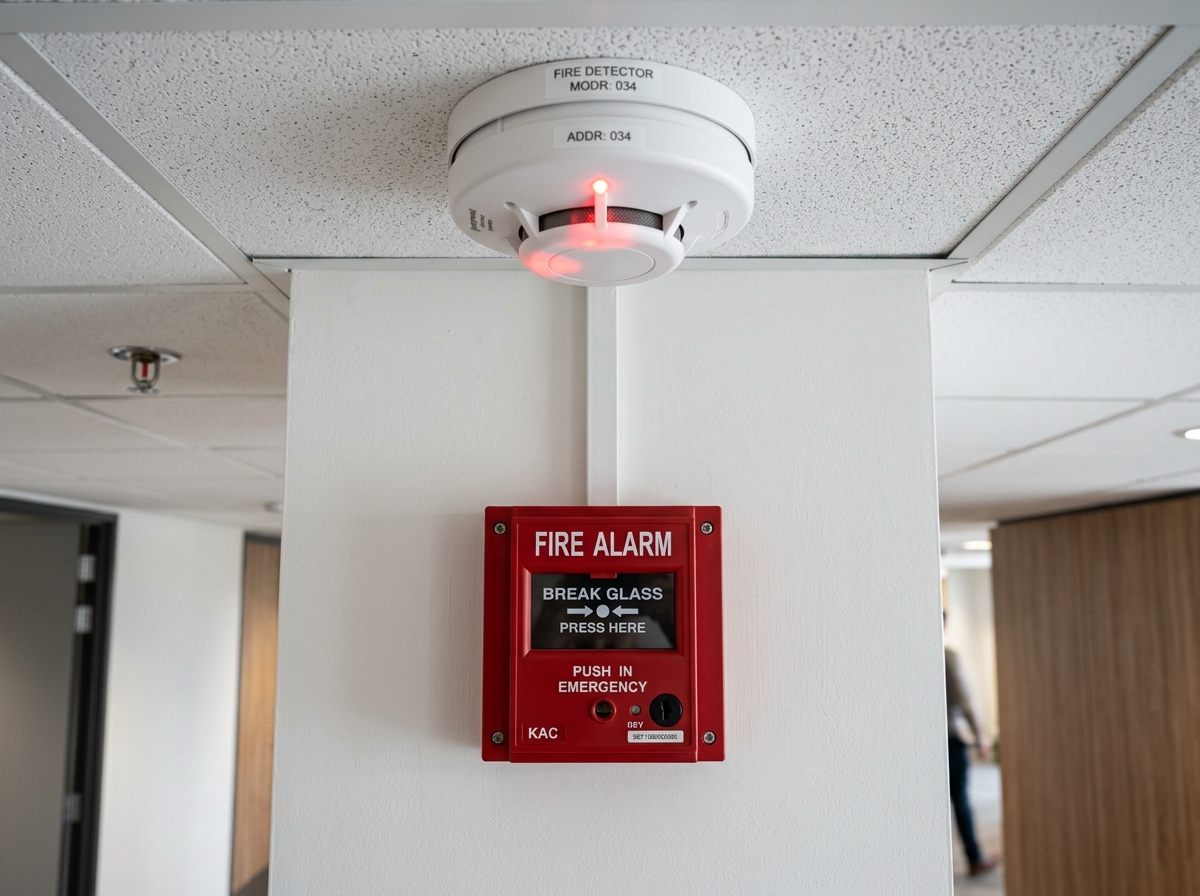
The rapid adoption of electric vehicles and large-scale battery energy storage systems (BESS) has introduced a novel and dangerous fire risk: Lithium-ion thermal runaway. Once a single battery cell enters thermal runaway, temperatures can exceed 800°C within seconds, releasing toxic, flammable gases like hydrogen and hydrogen fluoride.
Why Standard Extinguishers Fail Against Thermal Runaway
Conventional ABC powder and standard clean agents cannot stop thermal runaway once chain reactions propagate through adjacent cells. While clean agents can extinguish the initial external flame, the internal chemical reaction continues without oxygen, leading to violent re-ignition once the gas dissipates.
High-Volume Water Deluge & Cell-Level Monitoring
Current NFPA 855 standards emphasize early off-gas detection (detecting volatile electrolytes hours before thermal rise occurs) coupled with high-volume, sustained water cooling to extract heat directly from the battery pack casing.